The Role of Simulation Training in Modern Truck Driver Education
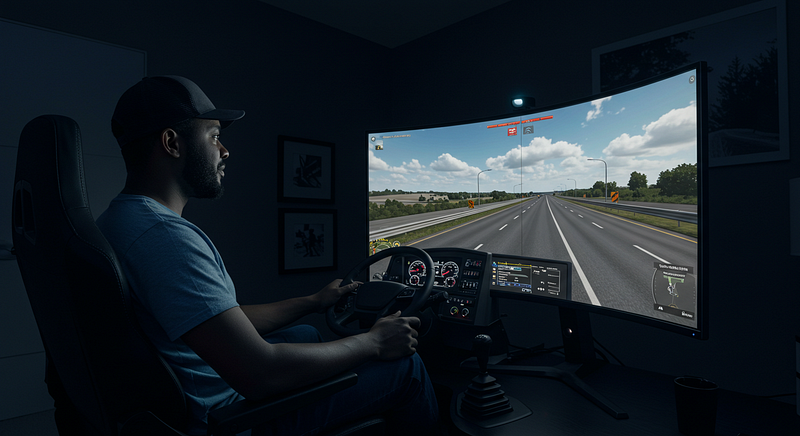
Truck driving has traditionally been taught on the road — with students learning directly behind the wheel. While this hands-on experience remains essential, modern training programs are now adding simulation training as a powerful tool to prepare drivers for real-world challenges.
Just like pilots use flight simulators, truck drivers are increasingly benefiting from driving simulators that replicate real vehicles, road conditions, and emergencies.
What Is Simulation Training?
Simulation training uses advanced software and hardware to create a virtual truck driving environment. Drivers sit in a simulator equipped with a steering wheel, pedals, and screens that mimic real driving conditions.
This setup allows trainees to practice in a safe, controlled space where mistakes do not result in crashes, injuries, or costly damage.
Benefits of Simulation Training
- Safe Exposure to High-Risk Situations
Drivers can experience tire blowouts, brake failures, jackknifing, or driving in fog, snow, and heavy rain — all without real danger. This prepares them mentally and physically for emergencies they may never encounter during standard training.
2. Cost-Effective Training
Running a simulator requires no fuel, maintenance, or insurance. It reduces wear and tear on training trucks while still giving drivers valuable practice.
3. Immediate Feedback
Simulators track driver performance, showing mistakes like late braking, harsh steering, or poor lane discipline. Trainees receive instant coaching, helping them improve faster.
4. Flexibility and Repetition
Specific scenarios — such as reversing into tight spaces or maneuvering in busy city streets — can be practiced repeatedly until mastered.
5. Supports Different Learning Styles
Visual learners benefit from the realistic graphics. Kinesthetic learners build muscle memory through hands-on practice. Auditory learners get guided instructions and real-time corrections.
How Simulation Complements On-Road Training
Simulation training does not replace on-road training — it enhances it. After practicing in a simulator, students approach real trucks with greater confidence and fewer mistakes. They are better prepared to apply defensive driving techniques, manage stress, and respond calmly to unexpected hazards.
The Future of Truck Driver Education
As trucking becomes more technology-driven, simulators will play an even bigger role. Future systems may include virtual reality headsets, motion seats, and AI-powered instructors that adapt lessons to each driver’s weaknesses.
Forward-thinking fleet owners and training schools are already investing in simulators because they save money, improve safety, and create drivers who are ready for real-world challenges from day one.
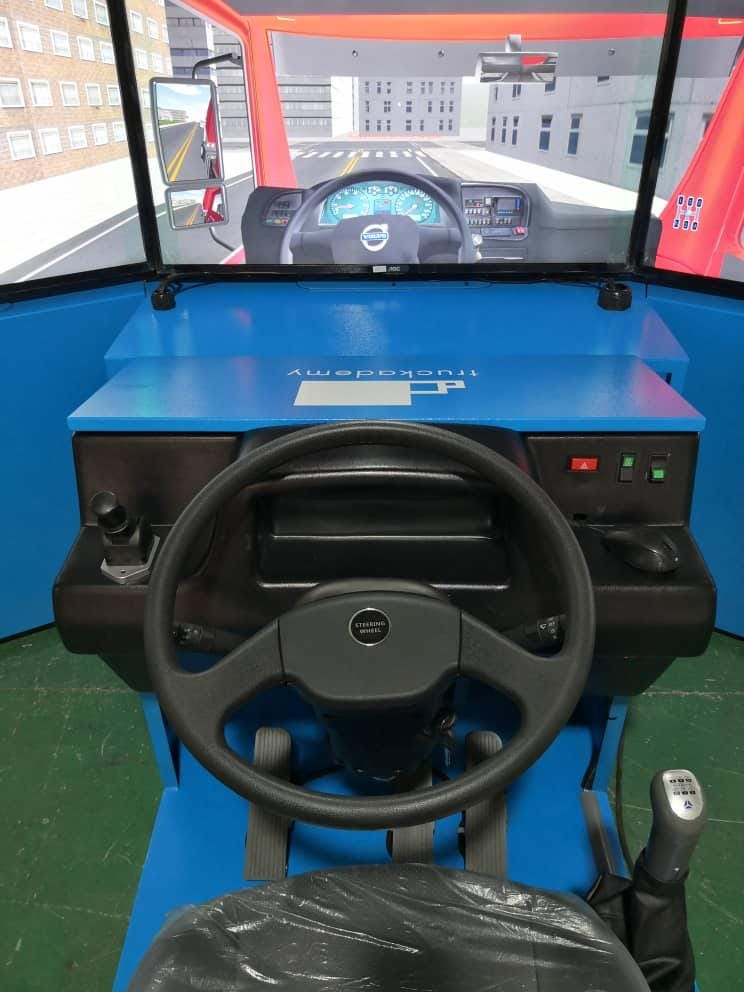
At Truckademy Driving and Training School, we pride ourselves on using advanced truck simulators to deliver world-class training for our students. Our simulator technology provides a safe and realistic environment where learners can build confidence, practice complex maneuvers, and prepare for real-world driving challenges.
👉 If you’re interested in enrolling for our training programs, kindly reach out to us via WhatsApp or phone:
📞 +234 909 237 2617 | +234 810 782 2712
Final Word
Simulation training is transforming truck driver education. It offers a safe, cost-effective, and highly effective way to prepare drivers for both everyday tasks and high-risk situations.
For the trucking industry, it represents not just a training tool, but a bridge between classroom theory and real-life driving. When combined with on-road practice, simulation ensures that drivers are more skilled, more confident, and ultimately, safer on our roads.


Comments
Post a Comment