Night Driving Safety for Truck and Tractor-Trailer Drivers

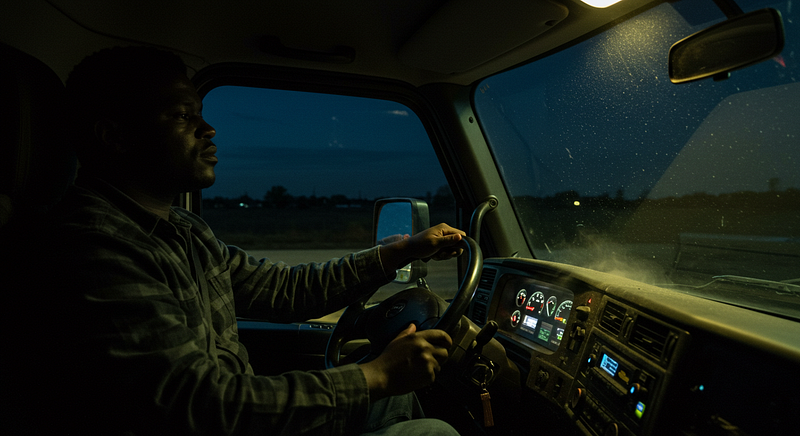
For many truck and tractor-trailer drivers, nighttime driving is part of the job. Deliveries often run late into the evening, or start before sunrise, meaning long hours on dark highways. While the roads may seem quieter at night, the truth is that night driving carries unique risks that require extra caution. Reduced visibility, fatigue, and unpredictable road conditions make it one of the most demanding tasks for professional drivers.
This article explores why night driving is so challenging and provides practical safety tips for both drivers and fleet managers.
Why Night Driving Is More Dangerous
- Reduced Visibility
At night, headlights only illuminate a limited distance ahead, reducing reaction time if an obstacle suddenly appears. Potholes, road debris, or pedestrians may be noticed too late. Glare from oncoming headlights can also temporarily blind a driver, increasing the risk of drifting out of lane.
2. Driver Fatigue
The human body naturally wants to rest during nighttime. Long shifts on the road during these hours can quickly lead to drowsiness. Studies have shown that fatigue can impair a driver’s reaction time as much as alcohol. A tired driver is more likely to misjudge distances or fail to respond to hazards.
3. Higher Risk from Other Road Users
Nighttime brings an increased likelihood of encountering drunk or impaired drivers. Distracted drivers or motorists speeding on quieter roads also pose hidden dangers to heavy trucks.
4. Limited Emergency Services
A breakdown during the day is inconvenient; at night, it can become dangerous. Assistance may take longer to arrive, and poor visibility puts both the driver and other motorists at risk.
Safety Tips for Truck and Tractor-Trailer Drivers
- Ensure Proper Lighting
Always check that headlights, taillights, and turn signals are clean and working before setting out. Use low beams when facing oncoming traffic to avoid blinding others, but switch to high beams in dark, open stretches where visibility is poor. Keep dashboard lights dimmed so your eyes adjust better to the darkness outside.
2. Manage Fatigue Proactively
Plan trips to include rest breaks every few hours. Even a short nap can restore alertness. Avoid caffeine overload, which may cause a sudden “crash” in alertness later. Instead, combine light snacks, water, and short stretches during stops. Recognize warning signs: yawning repeatedly, struggling to keep eyes open, or drifting slightly in your lane. At this point, it’s safer to stop than to push forward.
3. Adjust Speed and Distance
Night driving requires slower speeds because of the reduced ability to see hazards. Increase following distance — what feels safe in daylight may not be enough when visibility is cut down at night. Avoid tailgating; trucks need much more stopping distance than cars, especially when fully loaded.
4. Maximize Visibility for Yourself and Others
Make sure your truck’s reflective tape is not faded or peeling. This helps other drivers see you more clearly. When pulled over, always use hazard lights, warning triangles, or reflective vests. Regularly clean mirrors and windows to reduce glare from lights.
5. Stay Alert to Wildlife and Unexpected Hazards
Animals such as deer are more active at night and can dart into the road suddenly. A collision at highway speed can be disastrous for both the animal and the truck. Poorly lit parked vehicles, broken-down trucks, or road debris are more common at night — scan the road ahead carefully.
The Role of Fleet Owners and Managers
For companies, night operations should not be taken lightly. Fleet managers can:
- Schedule smarter: Limit consecutive night shifts to reduce driver fatigue.
- Provide refresher training: Reinforce night driving techniques and defensive driving principles.
- Invest in equipment: Fit trucks with high-quality LED headlights, reflective markings, and driver fatigue monitoring systems.
- Encourage reporting: Allow drivers to honestly communicate when they are too tired to drive without fear of penalties.
Final Word
Night driving will always be part of trucking and logistics, but it does not have to be unsafe. By combining good habits from drivers — such as using proper lighting, managing fatigue, and adjusting speed — with support from fleet owners, the risks can be greatly reduced.
At the end of the day, or in this case, the night, safety comes down to preparation and discipline. A truck driver who respects the dangers of the night shift is far more likely to reach their destination safely, protect their cargo, and return home without incident.


Comments
Post a Comment