Driving Change: Empowering Nigerian Women to Bridge the Global Truck Driver Shortage

The global logistics industry is grappling with a significant challenge: a growing shortage of truck drivers. According to the International Road Transport Union (IRU), there are currently over 3 million unfilled truck driver positions worldwide, a number projected to more than double to 7 million by 2028. This crisis presents a unique opportunity for Nigerian women to step into a field traditionally dominated by men, offering not only employment prospects but also the chance to reshape industry norms.
The Gender Gap in Trucking
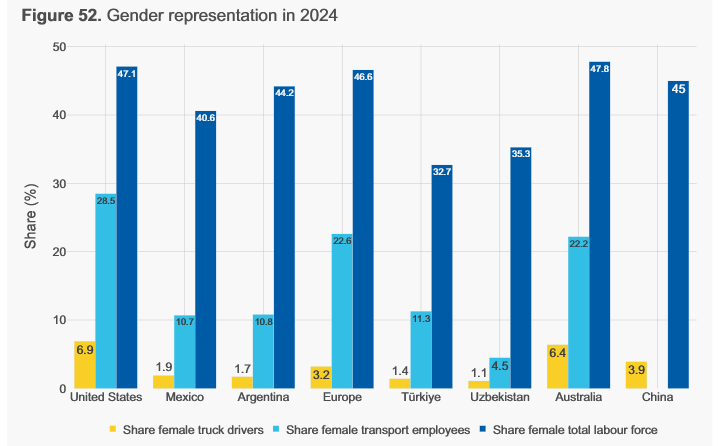
Despite the high demand for drivers, women remain significantly underrepresented in the trucking industry. Globally, women constitute only about 6% of truck drivers, with the United States having the highest share at 8%. In countries like Türkiye, the figure is even lower, with women making up just 1.4% of the truck driver workforce.
Why Nigerian Women Should Consider Truck Driving
- High Demand Equals Job Security: The escalating shortage means that trained drivers are in high demand, offering job stability and competitive salaries.
- Breaking Stereotypes: Entering the trucking industry allows women to challenge and change societal norms, paving the way for future generations.
- Economic Empowerment: Truck driving can provide a substantial income, contributing to financial independence and improved living standards.
- Skill Development: The profession offers opportunities to acquire valuable skills, including logistics management, vehicle maintenance, and navigation.
Success Stories and Initiatives
In Türkiye, efforts are underway to increase female participation in trucking. The UND Women Working Group, established in May 2024, aims to train and employ more female drivers. iru.org
In Nigeria, the “Women on Wheels” (WoW) initiative by Lafarge Africa has trained and empowered 130 women to join the trucking industry since 2019. On the other hand, Truckademy has also trained over 30 women to become professional truck driver through a comprehensive training and certification program.
Steps for Nigerian Women to Enter the Field
- Training and Certification: Enroll in accredited driving schools that offer comprehensive training programs, including obtaining a Commercial Driver’s License (CDL).
- Mentorship Programs: Seek out mentorship opportunities with experienced female drivers to gain insights and guidance.
- Advocacy and Support Groups: Join organizations that advocate for women in transportation to build networks and access resources.
- Government and Private Sector Support: Encourage policies and incentives that support female participation in trucking, such as subsidies for training and recruitment drives targeting women.
Conclusion
The global truck driver shortage is not just a logistical challenge; it’s an opportunity for transformation. By embracing careers in trucking, Nigerian women can play a pivotal role in addressing this crisis, achieving personal economic empowerment, and challenging gender norms. With the right support and determination, the road ahead is not just open — it’s promising.


Comments
Post a Comment